
The topic of this Sacred Stone Psychology of Emotions Oracle Card Blog is AFFECTION. The purpose of this WEEK [2] Blog is to continue my quest to help others learn how to control and express their emotions. Why? What has happened to our world. It appears that people have lost their ability to show affection to one another. While we are experiencing mass fires, earthquakes, volcanoes, hurricanes, floods, torrential rains, landslides, and deaths caused by violence, people have lost a sense of caring. Affection seems to be demonstrated by people only when they are experiencing a similar traumatic event.

AFFECTION can be defined as a gentle feeling of fondness, devotion or liking.
It is not difficult to show affection. It is an emotion that is/must be taught from an early age. The manner in which we learn to express affection and other emotions or not will affect our future relationships. The best therapy for gaining a sense of caring or affection is to learn empathy (i.e., mentally putting yourself in another’s situation). It is very easy to say to someone I understand what you mean about an issue, but unless you experience it yourself, you can only relate to the matter.
Psychological and Emotional Causes of Affection

Affection from a psychological and emotional standpoint, is developed in six ways:
- Similarity: Shared beliefs, values, and personality traits.
- Proximity: Being physically near someone.
- Reciprocal Liking: When you know someone likes you.
- Emotional Needs: Affection helps fulfill a sense of belonging, feeling safe and valued.
- Trust: Feeling that you can rely on and confide in someone.
- Low Self-Esteem: A lack of self-worth can lead to a strong desire for external validation.
Affection Defined in Life’s Terms
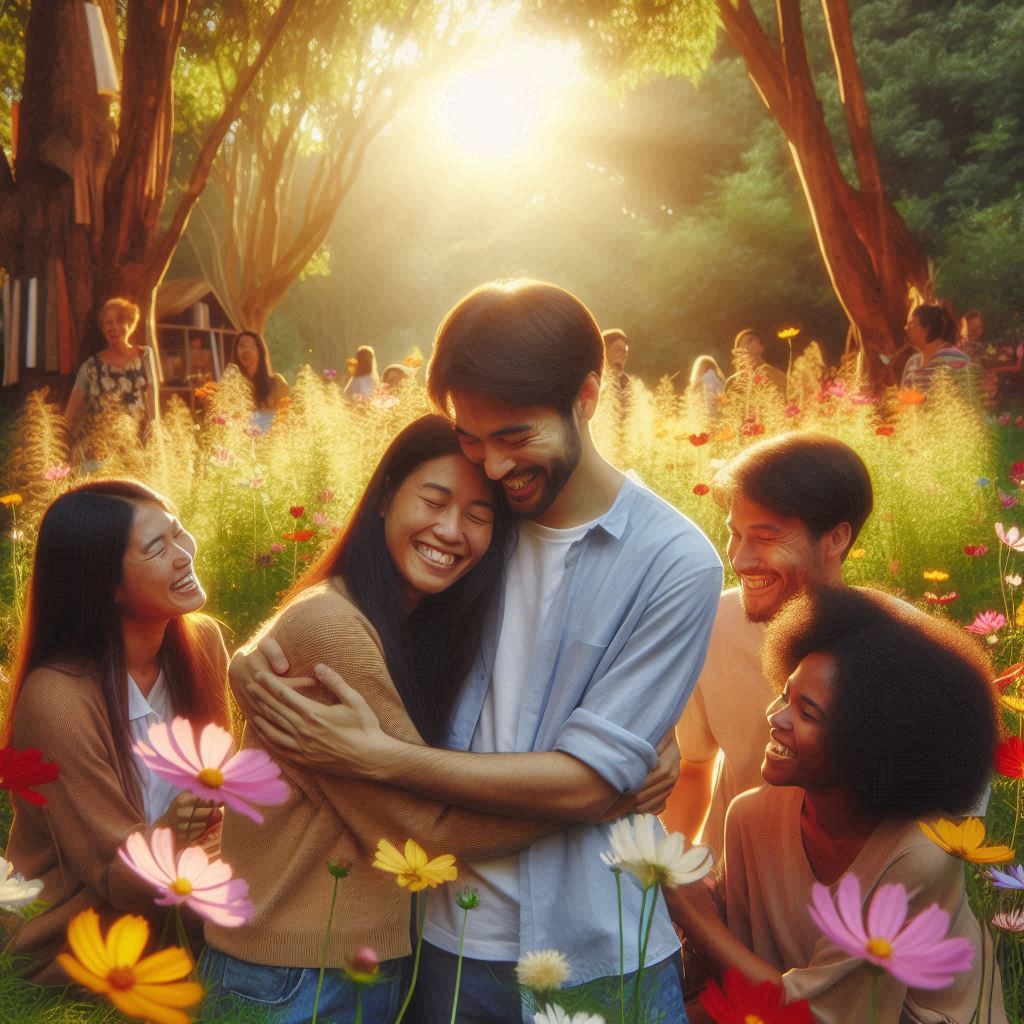
We become affectionate with people who share similarities with us (i.e., culture, social ventures, religious beliefs, food choices, etc.). When we live with someone or reside in the same or close vicinity it is easier to develop a close bond. Affection and attachment go hand in hand. We develop our attachment style from our upbringing. The more you interact with others you learn how to express emotions and develop your personality.
People today do not seem to form positive relations. Meaning, individuals seem to always be on edge (e.g., tense, nervous, angry). From my observation as a research psychologist, people have lost a sense of trust. Not only in others, but as well in self. Conflicts abound within spousal, family, friendship groups, intimate and other relationships like never before. To maintain an affectionate relationship with others, one must confront those emotions that hinder their own personal growth. Let go of the past and live for today.
Remedies to Help Develop Affection Holistically
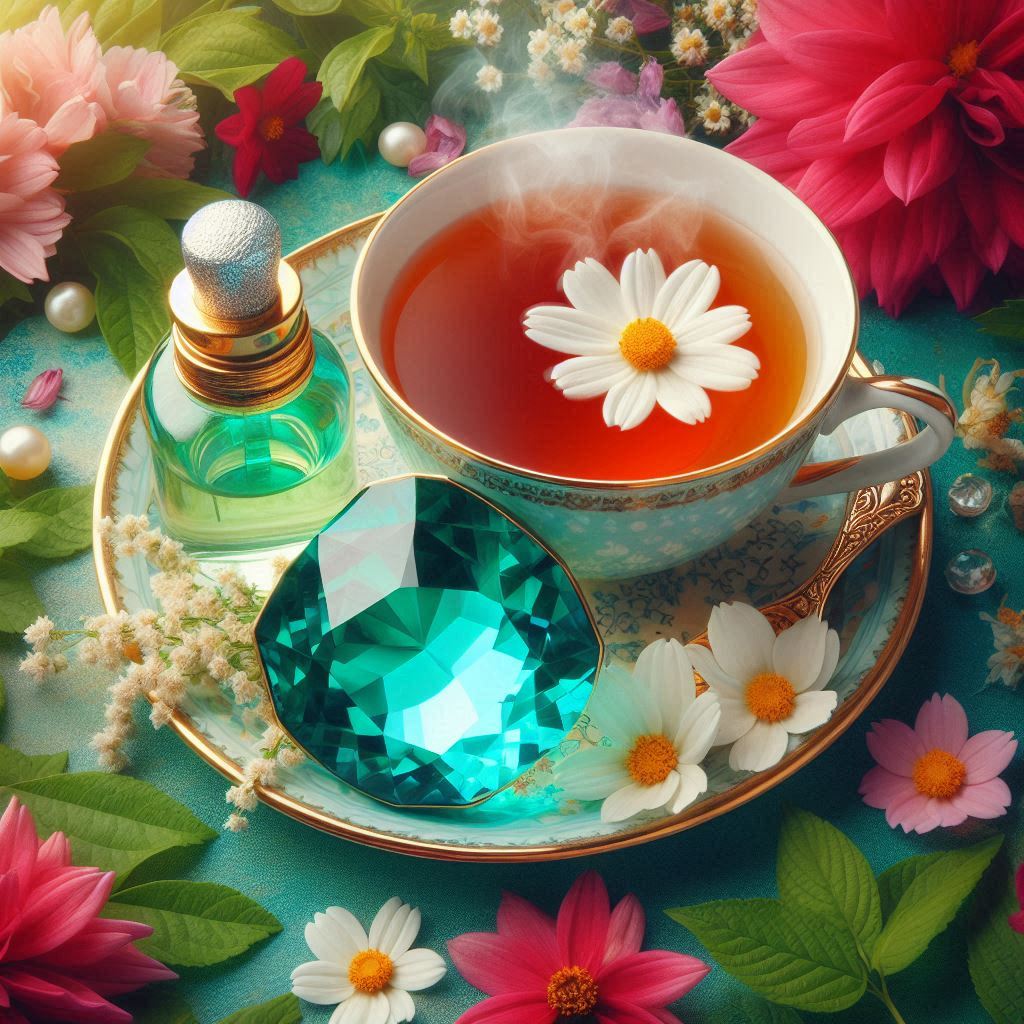
There are many ways individuals can enrich their emotional intelligence:
- Stop being a recluse – get out of the house, take a walk in nature, interact with others, join a self-help group are just a few examples.
- An essential oil Jasmine used as incense, an an essential oil in your bath, etc. can help with anxiety, depression and cause a sense of aromatic peace. it is considered an intimate aroma.
- The gemstone Aquamarine held or worn (e.g., necklace, bracelet, ring, etc.) provides metaphysical peace, personality enlightenment, gentleness, friendship, love, awareness, and safety.
- Keep in mind, the way you treat yourself is how others will treat you. The more you love self, others cannot help but shower you with Affection back.
- Chamomile Tea is a very soothing, comforting and calming beverage.
- The colors associated with Affection are Pink and Red. Wearing or surrounding yourself with those colors can help bring a sense of peace. The way you think is the way you behave.
- Pink is linked to gentleness, care and compassion.
- Red is connected to love, passion and romance.
Reference Sources
Billock, Jennifer (2015), Gemstone & Crystal Properties, Quick Study, Bar Chart Inc.
Essential Emotions Wheel (2019), Positive – Negative Properties, Essential Emotions, LLC, http://www.essentialemotions.com.
Epstein, Sarah (2025, November 6), Parental Estrangement: Finding Clarity in Therapy. Therapy can clarify how to navigate a complicated bond, Psychology Today, Retrieved November 11, 2025 from http://www.psychologytoday.com/us/blog/between-the-generations/202511/parental-estrangement-finding-clarity-in-therapy
 Ohitika Office Management
Leave a comment